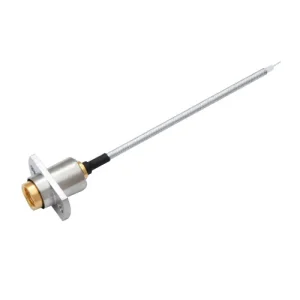
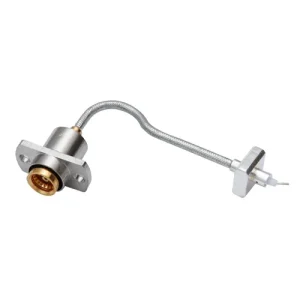
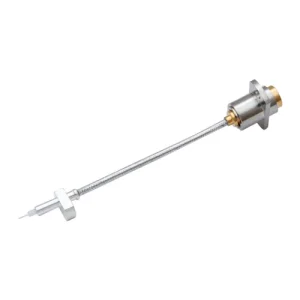
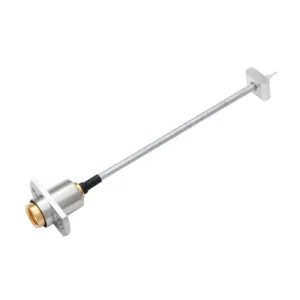
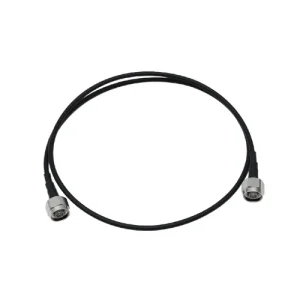
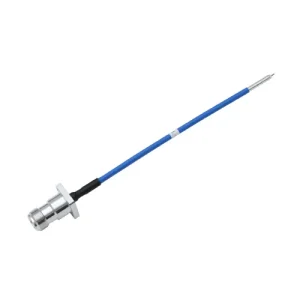
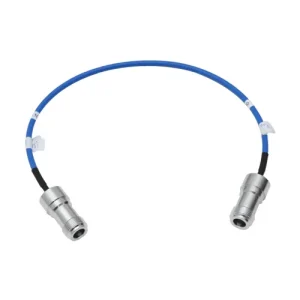
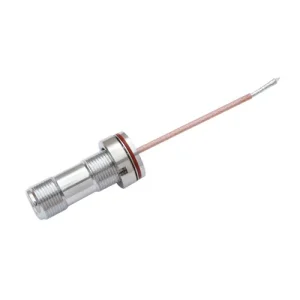
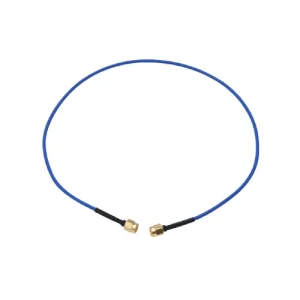
RF cable assemblies permeate every sector where reliable radio‑frequency transmission is mission‑critical. In telecommunications infrastructure they connect remote radio heads to baseband units, distribute timing signals in 5G small‑cell networks, and route microwave backhaul between towers. Aerospace platforms rely on lightweight, phase‑stable assemblies to feed radar arrays, telemetry systems, and satellite payloads, where temperature extremes and vibration can easily detune poorly matched cables.
Defense electronics employ armored or radiation‑hardened assemblies for electronic‑warfare racks, missile guidance, and secure communications, often demanding ruggedized connectors and halogen‑free jackets. Medical imaging equipment, such as MRI and ultrasound scanners, uses ultra‑clean assemblies to transfer gigahertz‑range signals without introducing artifacts that could obscure diagnostic images.
Even in everyday consumer devices—Wi‑Fi routers, autonomous vehicles, AR/VR headsets—miniaturized, flex‑form assemblies route RF energy through densely packed enclosures. Across all these domains, assemblies serve as the circulatory system of high‑frequency electronics, carrying power and data while shielding them from interference.